
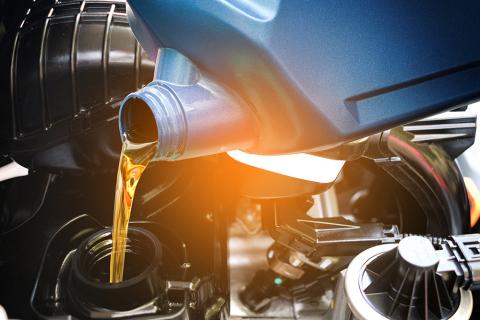
As the weather warms up and spring driving picks up, it is the perfect time to reset your vehicle’s engine care routine, starting with an oil change. After a long winter of cold starts, short trips, and fluctuating temperatures, your engine oil has likely taken a hit.
Many drivers wait until a warning light turns on or the car starts “feeling off,” but by then, your engine may already be experiencing unnecessary wear. Spring is the ideal time to get ahead of issues and make sure your engine is ready for the months ahead.
What Engine Oil Actually Does
Your engine has hundreds of moving metal parts operating under intense heat and pressure. Oil acts as the barrier that keeps those parts from grinding against each other. Over time, oil breaks down, collects contaminants, and loses its effectiveness.
- Lubrication: Reduces friction between moving parts to prevent wear.
- Cooling: Helps carry heat away from internal engine components.
- Cleaning: Traps dirt and combustion byproducts so they do not build up inside the engine.
- Protection: Prevents sludge formation and corrosion, especially after harsh winter driving.
When oil becomes old or contaminated, your engine has to work harder. That extra strain can lead to long-term damage if ignored.
Why Spring Is the Best Time for an Oil Change
Winter driving conditions are tough on your engine. Cold starts, thicker oil, and stop-and-go driving all accelerate oil breakdown. By spring, your oil may already be past its prime.
Starting your spring engine care with an oil change helps:
- Prepare your engine for rising temperatures.
- Improve performance and fuel efficiency.
- Reduce wear caused by winter driving conditions.
- Establish a clean baseline for the rest of the year.
5 Signs You May Be Overdue for an Oil Change
Even without a warning light, your vehicle may be telling you it is time for service.
1. Oil Change Reminder or Dashboard Light
If your vehicle says it is time, do not ignore it. These systems track driving habits and oil condition more accurately than mileage alone.
2. Louder Engine Noise
Old oil cannot cushion engine components as well, leading to ticking or rougher engine sounds.
3. Dark or Dirty Oil
If your oil looks thick, gritty, or very dark on the dipstick, it is no longer protecting your engine properly.
4. Reduced Performance
Sluggish acceleration or rough idling can be caused by degraded oil increasing internal resistance.
5. Burning Smell
A burning odor may indicate oil breakdown or leaks. This should be inspected as soon as possible.
What Happens During a Professional Oil Change?
A proper oil change is more than just draining and refilling oil. It includes a full check of your engine’s basic health.
- Complete removal of old engine oil.
- Installation of a new, high-quality oil filter.
- Refill with the correct oil type and viscosity.
- Inspection for leaks and worn components.
- Resetting the oil life monitoring system.
- Quick check of fluids and under-hood components.
Do Not Carry Winter Wear Into Summer
Delaying an oil change after winter can carry hidden damage into the hotter months, where engines already run under more stress. Fresh oil ensures your vehicle is ready for road trips, daily driving, and rising temperatures.
If you are not sure when your last oil change was, now is the time to take care of it. Contact us today to schedule your spring oil change service and keep your engine running strong.
Key Takeaways for Drivers:
- Winter driving accelerates oil wear and contamination.
- Spring is the ideal time to reset your engine care routine.
- Fresh oil improves performance, efficiency, and engine life.
- Routine oil changes help prevent costly engine repairs.